How to prevent water damage in rental properties
By Carolyn Parrella | Published 22 November 2024 | Last Updated 19 October 2026
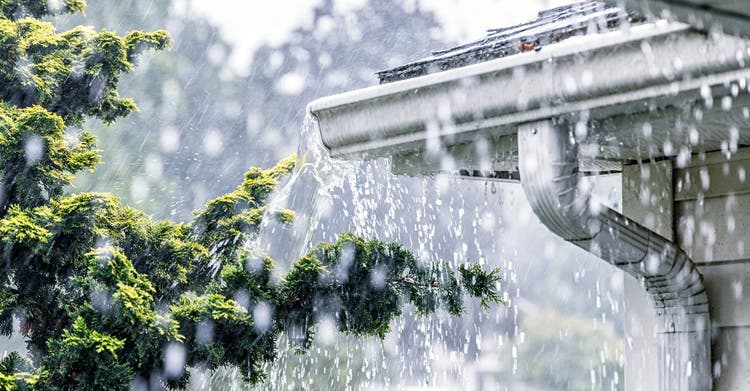
When it comes to water damage in a rental property, prevention is better than cure. Water damage is one of the risks landlords and property managers need to actively manage because it can be expensive to repair, disruptive for tenants and, if not identified early, may affect an insurance claim.
This guide explains the common signs and causes of water damage in rental properties, how landlords can help reduce the risk, and when Terri Scheer Landlord Insurance cover may help with eligible loss or damage, depending on the policy type, optional covers selected, relevant insured event definitions, limits, exclusions and claim circumstances.
Why water damage is a risk for rental properties
Water damage can be a significant risk for rental properties because it may start small and go unnoticed until it has caused more extensive issues. A slow leak behind a wall, a blocked gutter, a leaking flexi hose or water seeping through unsealed windows can gradually affect floors, ceilings, cabinetry, paintwork and structural materials.
For landlords, this can mean more than the cost of repairs. Water damage may make parts of the property unsafe or unliveable, disrupt tenants, lead to mould growth and create extra administration for inspections, maintenance requests and insurance claims. If the issue is not addressed quickly, repair costs may increase and the damage may spread to other parts of the property.
That’s why it’s important for landlords and property managers to know the early warning signs of water damage and check high-risk areas regularly, including bathrooms, kitchens, laundries, roofs, gutters, drains, windows and around major appliances. Spotting problems early can help reduce the chance of larger repairs and support a more proactive approach to maintaining the rental property.
Does landlord insurance cover water damage?
Landlords and property managers can take practical steps to help reduce the risk of water damage, but they can’t always stop unexpected events from happening. That’s when landlord insurance may help protect against eligible risks, depending on the policy type, optional covers selected, relevant insured event definitions, limits, exclusions and claim circumstances.
Terri Scheer Landlord Insurance can include cover for tenant-related risks such as loss of rental income and loss or damage by tenants to your building and contents, as well as selected insured events such as storm or rainwater, flood and escape of liquid under relevant sections of cover.
Signs of water damage in a rental property
Walls
- Softened drywalls: Look for parts of a wall that sink inward when you put pressure on them. Even if it looks normal on the exterior, there could be water damage hiding on the inside
- Pay attention to cracks, bubbles or flaking – they can indicate there’s water damage happening inside a wall
- Discolouration: Keep an eye out for streaks or rings that are light brown in colour
- Signs of mould: Take a good look at the wall behind the fridge, inside cupboards in your laundry and cabinets under sinks. If you spot any signs of dampness, it could be an indicator that there’s also mould around.
Floors
Floors – especially hardwood ones – also offer indicators of water damage. Keep an eye out for:
- buckling and warping, which can indicate that there’s a leak under the floor
- mould or discolouration in the flooring, which is a common sign that there’s excess moisture hiding somewhere, and
- plank edges curling upward.
Common causes of water damage in rental properties
Cause
false
Where it happens
false
What to check
false
Broken flexi hoses
false
Interior – dishwashers, washing machines and other appliances
false
Check hoses regularly for leaks, stress or wear, and replace them every 10 years.
false
Unsealed windows
false
Interior/exterior – around windows and nearby walls
false
Look for water coming in from outside, wall weakness, dampness or mould.
false
Hot water systems
false
Interior/exterior – around the unit, walls and floors
false
Check for leaks, pooling water, damp flooring or wall damage near the system.
false
Bathroom fixtures
false
Interior – showers, toilets, tapware and bathroom fittings
false
Look for leaks, broken tiles, loose grout or discolouration.
false
Clogged or blocked gutters, drains and pipes
false
Exterior – roofline, drains and stormwater areas
false
Check for overflow, blockages and water being directed back toward the property.
false
Roof leaks
false
Exterior/interior – roof, ceiling and upper walls
false
Look for holes, ineffective sealant, previous structural damage, ceiling stains or damp patches.
false
Cladding and brickwork
false
Exterior walls
false
Look for holes, cracking or gaps that may allow water to get into or behind walls.
false
Water damage prevention checklist for landlords and property managers
Reducing the risk of water damage in your investment property is important, but it doesn’t need to be difficult. Use this landlord water damage prevention checklist to spot potential issues early, help reduce the risk of mould spreading and help keep the property in good condition.
- Regularly check and clean the rooftop gutters to avoid build-up of leaves and other debris. This may reduce the chance of water backing up and causing water damage within the property
- Monitor the places where water is likely to build up for any signs of water damage, for example behind appliances, in the kitchen and in the bathroom. If you spot something amiss, act sooner rather than later
- Review your water bills. If there’s a sudden spike, it’s possible that there’s a leak somewhere on the property
- Arrange regular plumbing checks with certified tradies. Often, they’ll be able to find water-related issues that may be unrecognisable to the landlord or property manager. Plumbers have professional equipment to measure the flow rates of wastewater pipes to check whether there’s any out-of-sight blockages
- Keep clear records of inspections, maintenance requests, repairs and photos of any damage. This can help support conversations with tenants, trades and insurers if water damage occurs.