Rental property inspections: What landlords need to know
By Carolyn Parrella | Published 22 November 2024 | Last Updated 19 October 2026
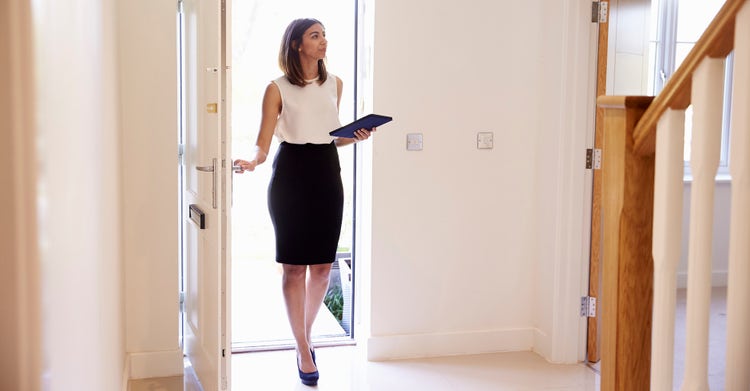
Regular rental property inspections can be an important part of managing an investment property. They may help landlords and property managers monitor a property’s condition, identify maintenance issues early, and support a safe and well-maintained rental home.
Inspection rules, notice periods and tenant entry requirements vary by state and territory, so check the current rules that apply where your rental property is located and consider seeking professional advice if you are unsure. Use the guide below as a starting point for planning inspections and understanding the kinds of issues commonly checked during a routine visit. Note that the information in this article is general only.
Why are rental property inspections important?
Conducting routine inspections can help landlords:
Ensure that the property is being maintained
This allows you to identify normal wear and tear or gradual deterioration that may require attention. Regular inspections can help preserve the value of the investment property and reduce the likelihood of more expensive maintenance in the long run.
Detect health and safety risks
Property inspections can uncover issues that may affect the safety or liveability of the home, such as water leaks, mould, damaged flooring, faulty ventilation or signs of structural deterioration. Early identification allows you to arrange repairs before they become more serious.
Give tenants an opportunity to discuss concerns
Inspections are also an opportunity for tenants to raise maintenance issues. Open communication ensures that repairs are addressed promptly, which can improve your tenant’s living experience and make them more likely to stay long-term.
If a tenant is unable to attend the inspection, it's good practice to contact them afterwards to discuss any findings and outline any maintenance or follow-up actions.
Reduce the risk of costly repairs
Small maintenance issues can quickly become costly if left unresolved. A minor plumbing leak, damaged roof tile or blocked gutter may eventually lead to water damage, mould growth or structural problems. Regular inspections help identify these issues early, potentially saving you significant repair costs in the future.
How often should rental property inspections be conducted?
How often inspections can be carried out depends on the tenancy rules in the state or territory where the property is located, as well as the circumstances of the tenancy. Some jurisdictions limit the number of routine inspections that can occur within a set period and require written notice before entry. Rather than relying on a general timeframe, landlords and property managers should check the current requirements with the relevant state or territory tenancy authority before arranging an inspection.
Rental inspection rules and where to check current requirements
Check notice requirements before entry
Before entering a rental property for an inspection, landlords or property managers generally need to give the tenant notice in the form and timeframe required under the applicable residential tenancy laws. Notice periods, delivery requirements and permitted reasons for entry vary across Australia, so use current government tenancy resources for the relevant state or territory before taking action.
Conduct inspections at reasonable times
Routine inspections should be arranged for times that are permitted under the relevant state or territory rules and are reasonable for the tenant where possible. Confirm the current requirements before issuing notice or attending the property.
Tenants’ rights and how to respect them
Although landlords own the property, it is the tenant’s home during the tenancy. Inspections should be respectful, professional and limited to purposes allowed under the relevant tenancy rules. For current information about tenant rights and entry requirements, check the government tenancy authority for the state or territory where the property is located:
- Tenants’ rights in NSW
- Tenants’ rights in VIC
- Tenants’ rights in QLD
- Tenants’ rights in SA
- Tenants’ rights in WA
- Tenants’ rights TAS
- Tenants’ rights in the ACT
- Tenants’ rights in the NT
What to check during a rental property inspection
A routine rental property inspection should focus on the property's condition, maintenance needs, and safety, rather than general housekeeping.
Exterior
- Roof, gutters, and downpipes
- Walls, fences, and gates
- Driveways, paths, and outdoor areas
- Gardens and lawns
Interior
- Walls, ceilings, and flooring
- Doors, windows, and locks
- Signs of damage, leaks, or mould
Kitchen
- Benchtops, cupboards, and appliances
- Sink, taps, and plumbing
- Signs of water damage or pests
Bathrooms & laundry
- Toilets, showers, and taps
- Exhaust fans and ventilation
- Seals, grout, and water damage
Safety & maintenance
- Smoke alarms
- Evidence of pests
- Repair or maintenance issues
- Potential health and safety hazards
General condition
- Any damage beyond normal wear and tear
- Unauthorised alterations to the property
- Tenant-reported maintenance concerns
- Areas requiring follow-up or repairs
Don’t forget to take photos and notes during each inspection to maintain accurate records and track any changes to the property's condition over time.
What happens after a rental inspection
Following an inspection, landlords or property managers may document any maintenance issues or tenant-related concerns identified during the visit.
If an issue is identified, the next step will depend on the type of issue, the lease terms and the applicable tenancy rules. Keep inspection records, communicate clearly with the tenant or property manager, and check the relevant state or territory process before issuing notices or setting timeframes.
Urgent repairs should be addressed promptly to help protect the property and the wellbeing of the occupants.
Considering landlord insurance
Rental property inspections can help landlords identify maintenance issues, but they do not prevent every loss or unexpected event. Landlord insurance may be worth considering as part of broader risk management, depending on your property, tenancy arrangements and personal circumstances. Any cover is subject to the policy terms, conditions, limits, exclusions and eligibility criteria.
Terri Scheer has specialised in Landlord Insurance for decades, offering cover designed specifically for Australian residential investment properties. Explore your options or get a quote today.