Rental property maintenance guide: Inspections, repairs and landlord responsibilities
By Carolyn Parrella | Published 19 October 2026
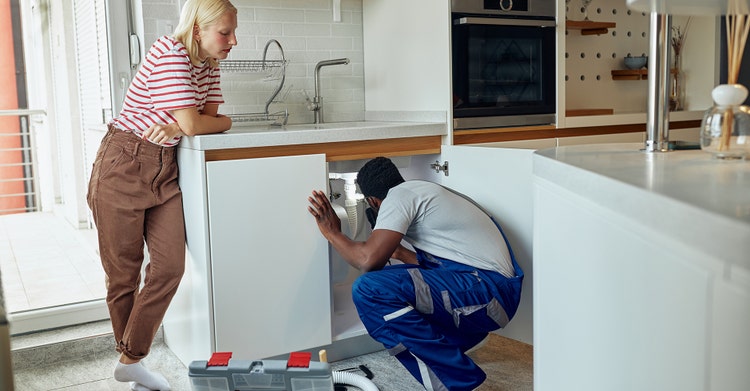
Rental property maintenance is more than a box-ticking exercise. Neglecting maintenance or delaying repairs may lead to:
- damage that may become costly to repair
- safety risks, and
- insurance claim considerations, depending on the applicable policy terms, claim circumstances and assessment process.
By contrast, a proactive maintenance approach can:
- help prevent issues before they escalate
- reduce expenses over time, and
- support a positive tenancy experience.
This guide explains why rental property maintenance matters, what landlords are responsible for, and how to build an effective, proactive inspection and repair plan.
Rental property maintenance essentials
Here’s a quick summary to help you keep on top of your property’s maintenance:
- Schedule regular inspections
- Don’t delay repairs; fix issues early
- Maintain safety systems, such as smoke alarms and locks
- Keep the property secure and well maintained
- Keep records that may assist with property management, compliance and any insurance claim assessment.
Why maintenance matters for rental properties
Prevent costly damage
Small maintenance issues can escalate rapidly when ignored. A minor leak can turn into major water damage or even structural problems if left unattended. Preventative maintenance addresses these risks early and may reduce long-term repair costs.
Meet legal responsibilities
Across Australia, rental providers and landlords generally have responsibilities relating to property safety, security and repairs, but the exact obligations, terminology and timeframes vary by state and territory. Depending on the jurisdiction and circumstances, these responsibilities may relate to:
- the property's structure
- essential services, and
- normal wear, tear and gradual deterioration.
State and territory rules also set out how urgent and non-urgent repairs should be handled, including notice, access and response requirements. Check the relevant residential tenancy authority in your state or territory, and consider seeking independent advice where needed.
Not meeting applicable maintenance obligations may contribute to property deterioration, disputes or other consequences, depending on the circumstances and local rules.
Protect tenant safety and satisfaction
Well-maintained properties tend to be more comfortable for tenants. Prompt repairs help maintain trust and encourage longer tenancies, which can reduce vacancy and turnover costs.
Preserve property value
Routine upkeep protects the condition of your property, supporting long-term capital growth and minimising depreciation caused by neglect.
Support insurance claims
Maintenance, upkeep and record-keeping may be relevant to an insurance claim assessment, depending on the policy terms, the cause of the damage, the available evidence and the circumstances of the claim.
The risks of delaying maintenance as a landlord
Higher long-term repair costs
Quick fixes and deferred repairs might seem cheaper in the moment, but they may cost more later.
A small maintenance issue left unattended can escalate into a bigger problem, like structural damage, water damage or appliance failure.
Legal liability risks
Neglected hazards, such as faulty wiring, broken fixtures or unsafe structures, can create safety risks and may contribute to disputes or liability concerns, depending on the circumstances and laws that apply in your state or territory.
Tenant dissatisfaction and vacancy risk
Poor upkeep can also create a cycle of tenant dissatisfaction. If maintenance requests are ignored or handled poorly, tenants may:
- lose confidence in the property
- choose not to renew their lease, or
- become less careful with the home.
This can increase vacancy periods and reduce rental income.
DIY risks and poor repair execution
DIY repairs are not always the cost-saver they appear to be. Substandard execution can create future repair costs or even liability issues if work is unsafe.
Keep in mind that certain repairs and checks, for example gas, electrical or smoke alarms, should be done by qualified or licensed tradespeople.
How to build a proactive maintenance plan
1. Schedule regular inspections
A proactive plan starts with visibility. Entry, routine and exit inspections help:
- establish the condition of the property
- identify maintenance issues, and
- create a record of changes over time.
2. Act early on reported issues
When a tenant reports a problem, respond quickly and assess the urgency.
Learn about the repair rules and timeframes in your state or territory, including how urgent repairs are defined and managed. For example, some jurisdictions list specific repair types as urgent, but requirements are not the same nationally.
3. Work closely with your property manager
A property manager can help you:
- identify issues
- report maintenance needs, and
- coordinate repairs.
However, the owner remains responsible for the property.
So, keep in touch with your property manager. Don’t assume everything is fine simply because an agent is managing the tenancy.
4. Use qualified professionals
For plumbing, electrical, gas, structural or safety-related work, use licensed or suitably qualified tradespeople. This can reduce the risk of future damage and compliance issues.
5. Document everything
Keep a simple but consistent paper trail, including:
- Condition reports at the start and end of each tenancy
- Routine inspection notes and photos
- Copies of maintenance requests and response times
- Invoices, quotes and proof of completed works.
This documentation can support better property management and may assist if a dispute or insurance claim assessment arises, depending on the relevant evidence, policy terms and circumstances.
Rental property maintenance quick checklist: What should landlords maintain?
The checklist below covers common maintenance areas only. Responsibilities and standards vary by state or territory, property type and tenancy circumstances, so check the relevant authority guidance for your situation.
Safety systems
- Hire a licensed professional to check if smoke alarms and other safety-related devices are working and compliant with local requirements
- Make sure security devices and door and window locks remain secure and in good working order.
Structural condition
- Check walls, floors and ceilings for wear, damage, cracks or hazards
- Make sure steps, handrails, fixtures and fittings are secure and safe to use
- Inspect roof and gutters, especially before storm season starts.
Plumbing and electrical
- Hire an electrician to conduct electrical safety checks and take care of electrical issues such as faulty wiring and unsafe fittings
- Check if all wiring and power points are safe and operational
- Hire a plumber to inspect for leaks, corrosion and ageing parts, including flexi-hoses
- Check for leaks and water pressure issues.
Appliances and utilities
- Check and repair kitchen appliances such as ovens, cooktops and rangehoods as soon as an issue is reported by the tenant
- Make sure laundry appliances and any provided fittings remain functional
- Look after the maintenance of any supplied appliance that forms part of the tenancy
- Check if the hot water systems are operating reliably and safely
- Service heating and air conditioning to keep them in working order.
Interior wear, tear and gradual deterioration
- Check if curtains and blinds need repair or replacement
- Ensure floors, countertops and other surfaces are in good condition
- Keep on top of touch-ups or renewals for paint, wallpaper and finishes as the property ages
- Investigate signs of mould, damp or water-staining early.
Scheduled inspections
- Complete entry, routine and exit inspections
- Log and track property issues.
Documentation
- Take photos of the property to record its condition
- Save all payment records, repair and service requests and invoices
- Document communication with tenants and trades.
Frequently asked questions
How often should rental inspections be done?
There is no single Australia-wide inspection schedule. A practical approach is to conduct entry, routine and exit inspections. Make sure your timing, notice periods and access arrangements comply with the rules in your state or territory.
What maintenance is legally required for landlords in Australia?
In general, landlords or rental providers need to keep the property in good condition, respond to repair requests appropriately and ensure the home meets applicable safety and minimum-standard requirements. Exact obligations vary, so check your state or territory’s residential tenancy authority or seek independent advice.
Can insurance be denied because of poor maintenance?
Insurance outcomes vary depending on the cover type, insurer, policy terms, inclusions, exclusions, and the cause of the damage being claimed upon.
Keeping clear maintenance records may assist with assessment, but it does not guarantee a claim outcome. Always read the Product Disclosure Statement and Target Market Determination before buying insurance and consider whether the product is appropriate for your objectives, financial situation and needs.
Should landlords do repairs themselves?
Minor tasks may be manageable, but complex, regulated or safety-related work should be handled by qualified professionals. DIY work that is poorly done can increase repair costs and liability risk.
What happens if maintenance is delayed?
Delayed maintenance may lead to higher repair costs, safety risks, tenant dissatisfaction, vacancy issues and possible legal or insurance-related complications, depending on the circumstances, applicable laws and policy terms.