Guide to having a self-managed investment property
By Carolyn Parrella | Published 22 November 2024 | Last Updated 19 October 2026
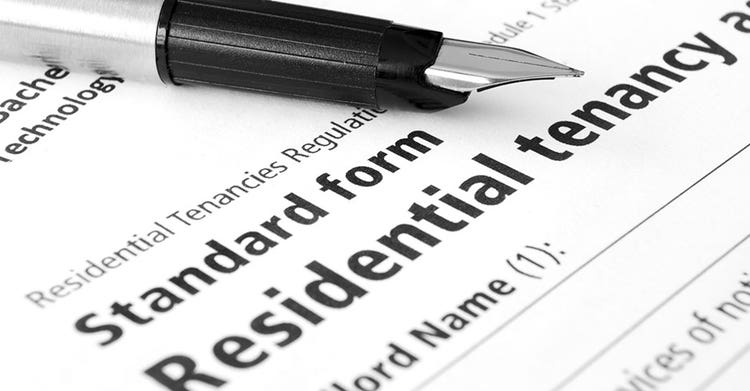
Self-managing an investment property can give you more control over your rental, but it also means taking on the day-to-day responsibilities of being a landlord. From preparing the property and understanding your legal obligations to managing tenants, maintenance and insurance, this guide covers key considerations that may help you plan your approach.
First steps after buying a rental property
Settling on an investment property is a major achievement. The next step is making sure your property is ready to be offered for rent.
Start by checking the property's overall condition. Identify any maintenance issues, safety concerns or compliance requirements that need attention before tenants move in.
It's also a good idea to organise important documents, including:
- ownership records,
- warranties,
- inspection reports, and
- any compliance certificates relevant to your property.
Preparing your rental property for tenants
Property condition and presentation
A clean, well-maintained property may help make a positive first impression with prospective tenants.
Before advertising the property, complete any necessary repairs, clean thoroughly and address any cosmetic issues that could detract from the property's appeal.
Safety and compliance requirements
Landlords are responsible for ensuring their property meets relevant safety and compliance requirements.
This may include ensuring:
- smoke alarms are installed and working correctly,
- locks are secure, and
- any other safety features required by state or territory legislation are in place.
Functionality of keys and fittings
Test the keys throughout the property before tenants move in.
Check plumbing, electrical fittings, heating, cooling and appliances to ensure everything is working as intended. Addressing issues early can reduce the risk of unexpected repairs and tenant complaints.
Understanding landlord responsibilities
Being a landlord involves more than collecting rent. You are responsible for providing and maintaining a safe, secure and habitable property for your tenants.
You must also respond to repair and maintenance issues within a reasonable timeframe and take steps to minimise potential hazards.
It's equally important to understand and comply with residential tenancy laws in your state or territory, including requirements around leases, bonds, inspections and rent increases. Check your local state or territories relevant government webpage for the most up-to-date information.
Setting up your rental property for success
Establishing rent and lease terms
When setting rent and lease terms, consider researching comparable properties and current market conditions so you can make an informed decision.
You may also wish to seek independent property or financial advice if you are unsure what rent or lease settings are appropriate for your circumstances. Once you've decided on the rent, ensure lease terms are clearly defined and documented.
Choosing the right tenant
Finding the right tenant can be one of the most important factors in creating a successful tenancy. It may help to have a thorough screening process. This could include:
- checking references
- rental history
- employment details, and
- any other information permitted under applicable tenancy legislation.
Preparing lease agreements
A lease agreement should clearly outline the responsibilities and expectations of both landlord and tenant. Using a legally compliant lease agreement can help reduce misunderstandings and provide a clear framework for the tenancy.
Maintenance and inspections
Regular maintenance and inspections play an important role in protecting your investment.
Routine inspections can help identify issues early, while preventative maintenance may reduce the likelihood of more costly repairs in the future.
If a tenant reports a maintenance issue, respond promptly and keep records of inspections, repairs and correspondence.
Managing risk as a new landlord
Having appropriate landlord insurance cover may help reduce financial pressure if the unexpected occurs, subject to the applicable policy terms, limits, conditions and exclusions.
Property damage and tenant risks
Even with careful tenant selection, unexpected damage can occur. Loss or damage and tenant-related incidents can result in repair costs and periods where the property may not be able to be rented.
Depending on the policy, landlord insurance may provide cover for some insured events, subject to the applicable terms, limits, conditions and exclusions. It helps to review the Product Disclosure Statement (PDS) and make your own enquiries before deciding whether a policy is right for you.
Loss of rental income
Rental income can be affected by tenant defaults, unexpected vacancies or events that prevent tenants from living in the property.
Legal liability considerations
As a property owner, you may be held legally liable if someone suffers injury or property damage due to circumstances which you did not expect or intend to happen. Terri Scheer Landlord Insurance includes legal liability cover as a landlord and property owner, subject to the applicable policy terms, limits, conditions and exclusions.
Regular maintenance checks every few months and addressing hazards promptly may help reduce potential liability risks.
Why landlord insurance is important
Owning a rental property can expose you to financial risks that differ from those faced by owner-occupiers, so it may be useful to understand the types of risks landlord insurance is designed to address. Landlord insurance may help protect against financial loss arising from certain insured events. Depending on the policy, cover may include tenant-related damage, theft, loss of rent and legal liability, subject to the applicable terms, limits, conditions and exclusions.
Terri Scheer Landlord Insurance, for example, includes cover for legal liability as a landlord and property owner, subject to limits, exclusions and policy conditions.
First-time landlord checklist
Before your first tenant moves in, make sure you've covered the essentials:
- Research comparable properties before setting rent and lease terms
- Screen prospective tenants carefully
- Schedule routine inspections
- Organise landlord insurance
- Maintain property and tenancy documentation.
Common mistakes new landlords make
Delaying maintenance
Small maintenance issues can quickly become larger and more expensive problems if left unresolved. Addressing repairs early can help safeguard your property and maintain tenant satisfaction.
Not screening tenants thoroughly
Rushing the tenant selection process can increase the risk of rent arrears, property damage or tenancy disputes. Take your time to find the right people – not doing so may cost you.
Misunderstanding legal responsibilities
Residential tenancy requirements vary between states and territories. Failing to understand your obligations can lead to costly mistakes and compliance issues. Review your state or territory laws and regulations. Alternatively, you could speak with a property lawyer.
Not having appropriate insurance
Many first-time landlords underestimate the financial impact of property damage, tenant-related issues or potential liability claims.
Appropriate landlord insurance may provide financial protection for certain insured events, subject to the applicable policy terms, limits, conditions and exclusions. Terri Scheer has experience in landlord insurance matters but if you’re considering our insurance, read the PDS and Target Market Determination before deciding whether it suits your need.